Cabins Above the Clouds: Designing Off-Grid Alpine Sanctuaries for Quiet Minds

Step into a world where snow-bright mornings and starlit nights replace notifications. Today we dive into designing off-grid alpine cabins for screen-free living, exploring siting, structure, energy, water, and interior rituals that nurture attention, warmth, endurance, and wonder beyond the reach of cables.

Reading the Mountain: Choosing a Resilient Site

Good alpine siting balances poetry and pragmatism. You chase winter sun, dodge sliding snow, read ridgelines, and honor wildlife corridors. Paths must remain safe when storms erase footprints. Choose a place where silence carries, vistas restore attention, and modest footprints respect fragile, slow-healing alpine soils. Share your favorite orientation tricks or sun-path insights with fellow readers, and help others learn from your hard-won mountain lessons.

Winter Sun, Summer Shade

Low winter sun can be a generous companion if the cabin faces clear southern skies and avoids overshadowing spurs. Study solar diagrams, photograph the site every hour, and mark tree shadows in snow. In summer, modest overhangs, louvers, and surrounding conifers cool interiors naturally, keeping reading nooks comfortable without fans or screens. Tell us how you balance glare control with luminous, restorative daylight.

Avalanche, Wind, and Safe Approaches

Avalanche paths, wind funnels, and cornice-prone ridges reveal themselves through bent trees, scoured ground, and historic local maps. Approach routes should avoid terrain traps and drift zones while staying navigable after whiteouts. Stake reflective waypoints, plan alternate entries, and practice arrival at dusk. If you carry a story about a near-miss or a smart reroute, add it below so others can learn before they build.

Shell and Bones: Building for Snow, Ice, and Roaring Gusts

A strong envelope protects attention as surely as it conserves heat. Snow-lipped roofs, compact massing, and continuous insulation tame weather’s teeth. Structural clarity simplifies maintenance when the nearest hardware store is several valleys away. Choose assemblies that dry quickly, shed loads predictably, and invite quiet. When storms pound the ridge, a dependable shell turns howling nights into hearthside reading instead of frantic repairs. Your practical detailing tips are welcome.
Steeper mono-pitch or symmetrical gables send slabs sliding into designated catch zones, away from doors and windows. Deep eaves shield walls; snow guards modulate movement above entrances. Metal panels with high ribs outlast shingles under rime ice. Integrate heat-free ice management with ventilation and airtightness, not cables. If you have a favorite eave flashing or ridge-cap tactic, share the detail that saved your gutters and sleep.
In thin, bitter air, heat escapes eagerly. Layer continuous exterior insulation to defeat thermal bridges, then tape and gasket every seam until incense smoke cannot find a leak. Choose smart vapor retarders that let assemblies dry whichever side grows wetter. Commission a blower-door test before finishes. That patience buys quiet, comfort, and stingy wood stacks. Describe the one air-sealing habit you wish every mountain builder adopted without excuses.

Wood Heat with Thermal Mass

A small, clean-burning stove feeds a masonry bench or concrete plinth that releases warmth long after embers fade. Dry wood, safe clearances, and a straight, insulated flue matter more than fancy gadgets. Add a gravity-fed hot-water coil to radiant loops for silent comfort. Keep kindling ready inside a cold porch. What rituals help you tend fire attentively, turning each loading into mindful pause rather than another chore?

Solar That Survives Winter

High-tilt arrays harvest low-angle sun and shed snow quickly. A broomed panel often beats a heated one once air sealing works. Insulate battery enclosures and monitor temperature, not just voltage. DC lighting reduces conversion losses when days are short. Design for maintenance in mittens with generous work clearances. Share the one wiring or tilt change that extended your autonomy by days when storms stacked snow to the eaves.

Breathable Air Without Big Machines

Passive stack ventilation, tempered by a compact heat-recovery unit sized for small cabins, can keep interiors fresh without constant fan noise. Thoughtful door undercuts, transfer grilles, and sheltered inlets prevent whistling. Cook on a vented range; dry damp gear in a dedicated nook. Measure CO2 and humidity with simple meters. What quiet, resilient ventilation patterns have you proven in real winters that protected books, lungs, and restful evenings?

Water, Waste, and Winterproof Independence

In freezing altitudes, every drop and drain must respect ice. Snowmelt cisterns, spring boxes, and rugged filters supply clarity when pipes shudder. Greywater deserves insulated routing and biofilters that rest under mulch, not frost. Composting toilets reclaim nutrients while reducing haul-outs. Simplicity and signage prevent mistakes when guests arrive. If you have protocols that kept systems sweet at minus twenty, share them so more readers succeed gracefully and cleanly.

Snowmelt and Spring Capture

A south-facing dark collection basin melts snow efficiently, feeding a sediment trap before fine filtration. Spring boxes with frost-depth lids keep critters out and clarity in. Manual pumps and insulated lines outlast clever electronics. Color-code valves to prevent midnight blunders. Store a day’s water indoors for storm insurance. Tell us which strainer, pipe wrap, or gasket finally stopped the sneaky freeze that always seemed to strike on holidays.

Greywater That Will Not Freeze

Slope lines generously, bundle them with warm drains, and route through insulated chases to a mulch basin protected by deep snow cover. Use biodegradable soaps that play nicely with soil microbes. Add service ports where gloved hands can reach. A small, heat-traced segment may be justified at outlets. Share your burial depths, plant choices, and any gravel gradations that kept sinks gurgling happily while icicles glittered from the eaves.

Analog Living: Interiors that Invite Presence
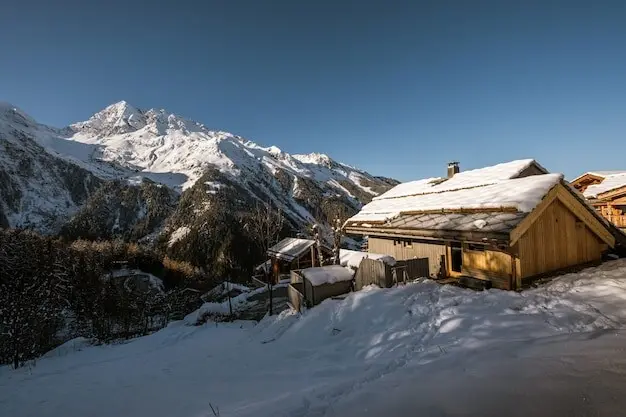
The cabin’s heart is not a screen but a sequence of moments: boots thumping on a drying grate, tea steaming beside a dog-eared map, pencil lines deepening a sketch. Layout fuels rituals, not habits of scrolling. Tactile materials earn patina, and views settle attention. Create corners where boredom becomes curiosity. Share the alcove, bench, or shelf that transformed your evenings into conversations and craft rather than notifications and noise.

Prefabrication, Pack-In Logistics, and Assembly

Panelize for speed and accuracy, then rehearse lifting sequences on level ground. Label parts like a beloved library. Favor hand-carriable modules, sled runners, and balanced loads. Protect seedlings and soils with mats. Stage tools, tarps, and warm shelters before weather arrives. What single logistics decision—timing, transport, or fastener choice—cut your site time dramatically and spared the mountain unnecessary scarring while preserving your team’s energy for careful craftsmanship?

Safety, Redundancy, and Emergency Comms

CO alarms, extinguishers at every exit, and a second way out from sleeping lofts are nonnegotiable. Radios, satellite messengers, and paper maps bridge dead zones. Duplicate headlamps, dry socks, and repair kits ride in every pack. Practice fire drills and wayfinding by night. Which checklist item saved you when fog closed in or when a stovepipe screwed loose? Share so others return with stories, not apologies, after rough weather.

Stewardship, Permits, and Local Wisdom

Respect seasons, closures, and watersheds; partner with local builders and search teams. Pack out everything, even micro-trash. Choose palettes that blend with lichens and bark. Monitor wildlife with cameras, not curiosity. Permits clarify expectations and protect futures. Which neighborly gesture, community meeting, or volunteer day opened doors and built goodwill for your project? Tell us, and help readers weave their cabins into a generous alpine culture that lasts.

Mirarinokentonexolaxitemi
Privacy Overview

This website uses cookies so that we can provide you with the best user experience possible. Cookie information is stored in your browser and performs functions such as recognising you when you return to our website and helping our team to understand which sections of the website you find most interesting and useful.