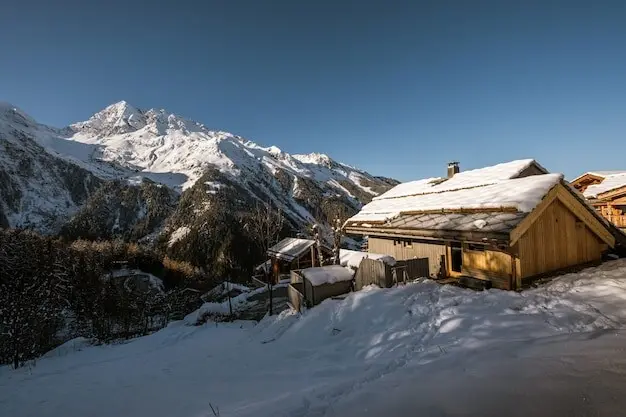
Silver Light Above the Tree Line
Choosing Cameras and Lenses That Breathe Thin Air
Mechanical reliability at altitude
Cold drains batteries and thickens grease, but a well‑serviced mechanical shutter continues without complaint when frost bites straps and breath crystallizes. Favor bodies with clear viewfinders, bright focusing aids, and dependable seals. Pack spare cable releases, foam for insulation, and a cloth to brush away snow without scratching vulnerable surfaces or loosening tiny screws.
Glass with purpose
A minimal set of primes can tell expansive stories: a wide for ridgelines, a normal for honest perspective, and a short tele for distant cornices or layered valleys. Choose coatings that tame flare when ice scatters sunlight. For black‑and‑white, carry yellow or orange filters to shape skies; for color, use restraint and let the emulsion’s palette sing naturally.
Carrying smart
Every gram grows heavier above the tree line, so distribute weight with a supportive harness and keep the camera accessible without swing or clatter. A chest pouch warms batteries and protects shutters from spindrift. Transition slowly between temperatures to avoid condensation, using sealed bags when entering huts, and stash desiccant to protect emulsions during long ascents.
Reading Harsh Light: Metering Snowfields and Shadowed Gullies
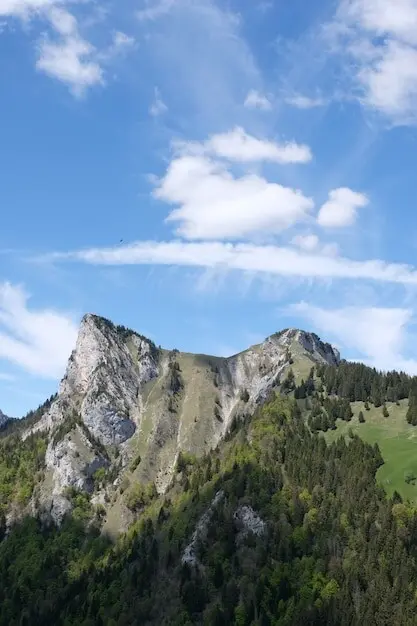
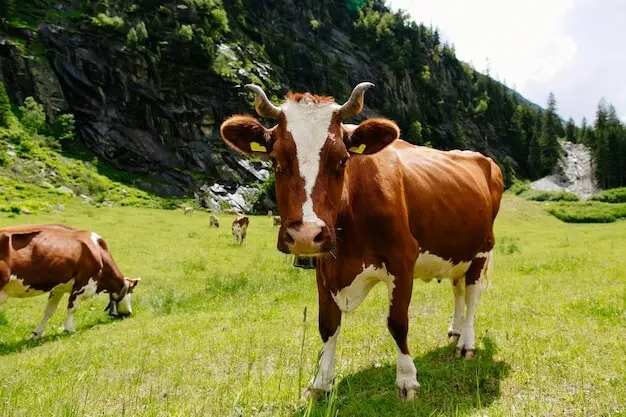

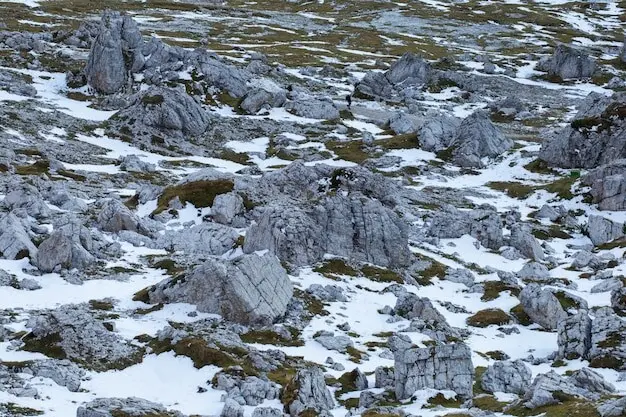
Composing With Weather, Silence, and Scale
Foreground anchors
Place a rock, ice pattern, or weathered signpost where the viewer’s foot can land. Let textures speak, then guide the gaze upward to glaciers and sky. A simple anchor provides scale without shouting. Wait until wind carves snow ripples or rakes grass into clean vectors that hold attention and frame distant drama with grounded, tactile honesty.
Cloud choreography
Treat clouds like dancers moving through deliberate beats. Open the shutter when shadows slide across gullies and reveal hidden ridges. Pause during whiteouts; they are not failures but rehearsals. Study intervals, anticipate gaps, and accept that a missed moment may teach more about rhythm than a lucky capture ever teaches about craft, patience, or humility.
On the Trail: A Slow Workflow That Survives Wind and Frost
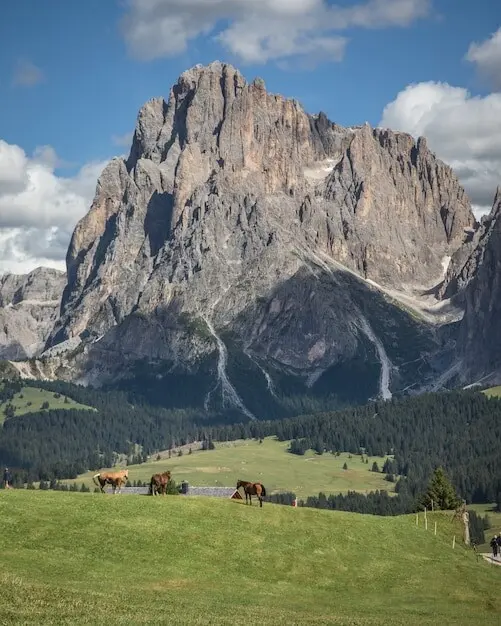
Deliberate checklists
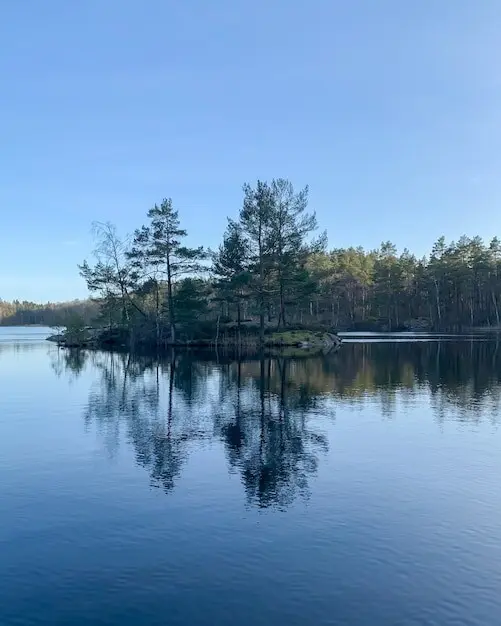
Protecting emulsions
From Canister to Tray: Developing High-Contrast Mountain Negatives
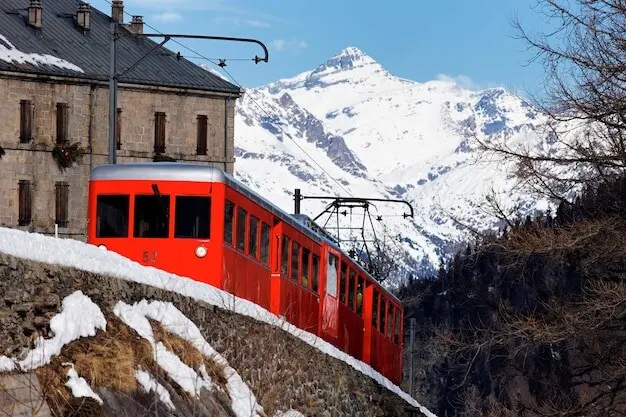
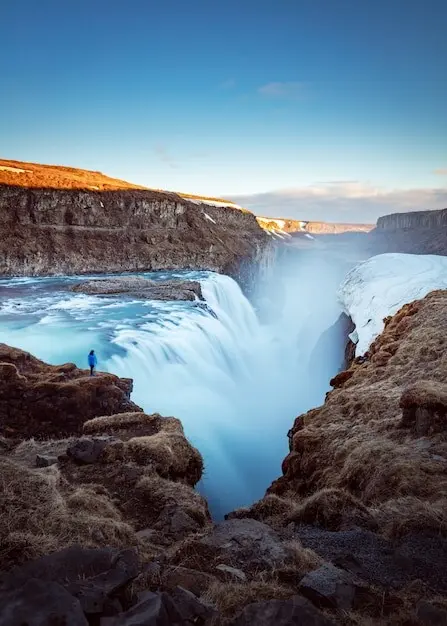
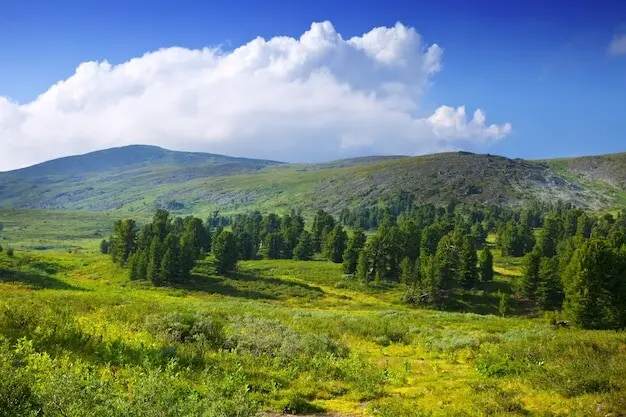
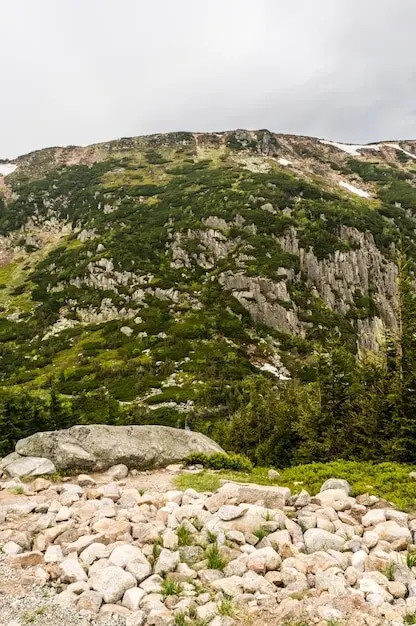
Split‑grade strategies
Begin with a soft exposure to hold snow texture, then add hard contrast to carve edges and etch distant strata. Move carefully, marking test strips with times and filters. Dodging cornices and burning shadowed gullies becomes choreography where each adjustment respects notes from the field, building a print that remembers wind rather than inventing drama afterward.
Toning for mood
Selenium can deepen shadows and add a whisper of coolness, while warm‑tone papers lend comfort to dawn light on granite. Tone for intention, not novelty. Small differences change feelings more than numbers. Keep control strips, rinse thoroughly, and choose permanence as part of the message, promising that patience today will still speak clearly decades from now.
Hybrid workflow without shortcuts
If you scan, clean negatives meticulously, expose for data rather than spectacle, and edit with a light touch that honors the emulsion’s voice. Calibrate monitors, keep consistent profiles, and print tests on the paper you intend to use. Hybridity is a bridge, not an escape, letting silver’s character carry through pixels toward honest, tangible prints.
Ethics and Safety on Fragile Peaks
Respect the land, earn the image
Step on durable surfaces, avoid cryptobiotic crusts, and keep distance from nesting zones. If a foreground demands intrusion, redesign the frame from a respectful stance. Pack out everything, including broken filters and tape scraps. Your negatives carry responsibility alongside light, reminding viewers that beauty without care becomes extraction, not witness, diminishing both subject and storyteller.
Staying safe while composing
Anchor tripods away from cornice edges, assess runout zones before lingering, and treat sudden warming as a warning, not opportunity. Use microspikes when necessary, keep gloves that permit dexterity, and rehearse movements with the camera stowed. Good images arrive when attention remains wide, not tunneled through a finder that erases hazards masquerading as drama at the periphery.
Companionship and communication
Share intentions with partners, agree on signals before wind rises, and decide turnaround times without exception. A second set of eyes reads skies better than a meter. Check in via satellite messages when service fades. Community safety lets you slow down, listen, and build work with endurance rather than gambling moments against luck and stories no photograph can fix.
Community, Reflection, and Sharing the Slow Way
Stories behind the frames
Tell us where you waited, what you heard in the wind, which exposure you abandoned, and how you decided to return. Share a small anecdote about fog that lifted like a curtain. These narratives give context to grain and contrast, allowing others to learn from timing, restraint, and the courage to leave without pressing the shutter.
Learning together
Offer your metering notes, development times, and printing sketches. Ask questions about compensating techniques, reciprocity choices, and filter use on long traverses. Subscribe for future field recipes, contribute practical corrections, and challenge assumptions gently. Community builds a sturdier tripod than carbon fiber alone, supporting images that stand because many steady hands shaped the practice with care.
All Rights Reserved.